
4/1/2026
What I Wish I'd Known Before Moving to Málaga
I moved from the United States to Málaga, and the journey from "this seems like a great idea" to "I actually live here now" was full of surprises — some delightful, some frustrating, and some that I could have handled much better with the right information. This is the advice I'd give myself if I could go back to the planning stage.
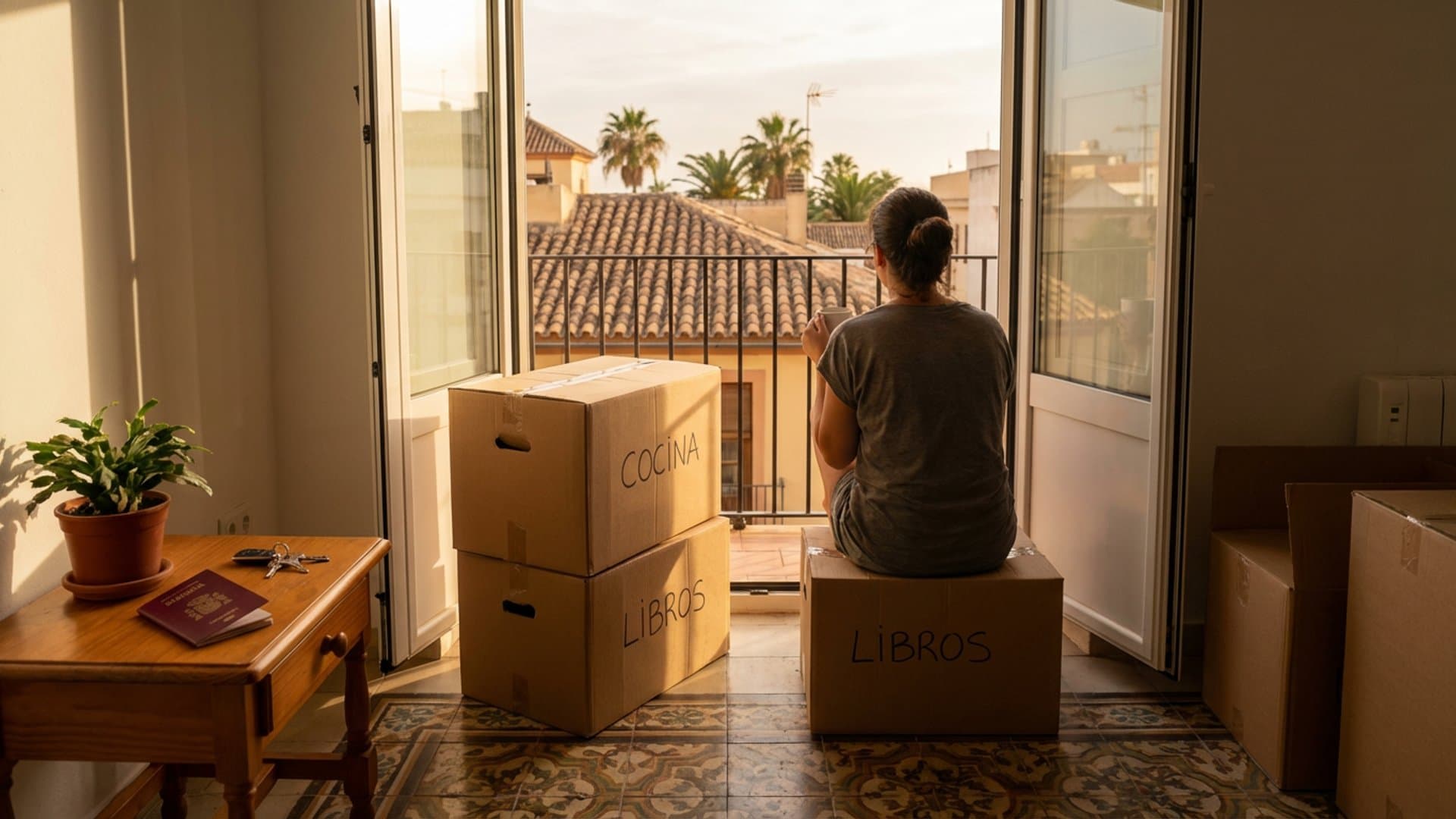
I moved from the United States to Málaga, and the journey from "this seems like a great idea" to "I actually live here now" was full of surprises — some delightful, some frustrating, and some that I could have handled much better with the right information.
This is the advice I'd give myself if I could go back to the planning stage.
The bureaucracy is real, but it's navigable.
The NIE application took longer than I expected. The bank account opening involved paperwork I didn't anticipate. The gestoría charged me for things I could have done myself if I'd known how. And the empadronamiento required a trip to the Ayuntamiento that somehow took three hours.
None of it was impossible. All of it was slower and more paper-intensive than I was used to from the US. The single best thing I did was hire a good lawyer early — not just for the property purchase, but as my navigator through the entire bureaucratic landscape. Every euro spent on professional help with Spanish administration was worth it.
The neighborhood matters more than the property.
I spent weeks obsessing over square meters, floor plans, and kitchen finishes. What I should have spent that time on was walking neighborhoods at different times of day, eating at local restaurants, and paying attention to how each area felt at 8 PM on a Tuesday.
The apartment you live in matters. But the street you walk out onto every morning, the café where you have your tostada, the market where you buy your tomatoes, and the neighbors who become your social circle — those determine your happiness far more than whether your kitchen has quartz or marble countertops. The neighborhood guides on this site exist because I learned this lesson the hard way.
Spanish mealtimes will rearrange your entire day.
Lunch at 2:30 PM. Dinner at 10:00 PM. This sounds like a fun cultural quirk until you realize your whole daily rhythm needs to shift. Morning productivity followed by a long midday break, then a late afternoon second wind — it took me about six weeks to adjust, and now I can't imagine going back to eating dinner at 6 PM.
The menú del día is a revelation. A three-course lunch with wine for €12 at a restaurant that would charge €35 for the equivalent in the US. I eat out for lunch three times a week and spend less than I did cooking every meal at home in the States.
The expat community is smaller than you think — and that's good.
I expected a large, anonymous international population. What I found was a community small enough that you run into the same people at the same cafés, that word of mouth travels fast, and that your reputation matters. This is wonderful: you build genuine friendships quickly. It's also worth knowing: if you're a terrible neighbor or an unreliable business contact, people will hear about it.
You will use more Spanish than you expect.
Even in the international-friendly neighborhoods. Even with English-speaking professionals. The daily transactions — ordering at a non-tourist bar, dealing with a plumber, understanding a community meeting notice, reading your IBI bill — happen in Spanish. You don't need to be fluent before you move, but investing in Spanish lessons (before arrival and after) is one of the highest-return investments you can make.
The weather genuinely changes your life.
I know this sounds like every relocation blog ever written. But I mean it at a deeper level than "it's nice to have sun." The weather changes how you eat (outdoor terraces year-round), how you socialize (evening paseos, chiringuito dinners), how you exercise (you actually go outside), and how you feel on a daily basis. After two winters in Málaga, I physically cannot imagine returning to a place where leaving the house in January requires four layers and a weather check.
The hardest part is the thing nobody mentions.
It's not the bureaucracy or the language or the different systems. It's the loneliness of the first eight weeks — after the excitement wears off and before the friendships form. You're in a beautiful city where you don't yet have the people who make a city feel like home. This is normal, it's temporary, and it helps to know it's coming. Join things. Say yes to invitations. Show up regularly at the same places. The connections will form faster than you expect.
Was it worth it? Unequivocally. Not because everything went smoothly — because nothing did — but because the life I'm building here is qualitatively different from what was possible in the US. Better weather, better food, lower stress, more time outdoors, genuine community, and the daily pleasure of living in a place that still surprises me.
Contact me if you're at the "should I?" stage. I'm happy to talk honestly about what the move actually involves.
Published by Denise Guerrero