
Avg. price/m²
Typical property
€2,200–2,800
65–95 m², 2–3 bed
What It Feels Like
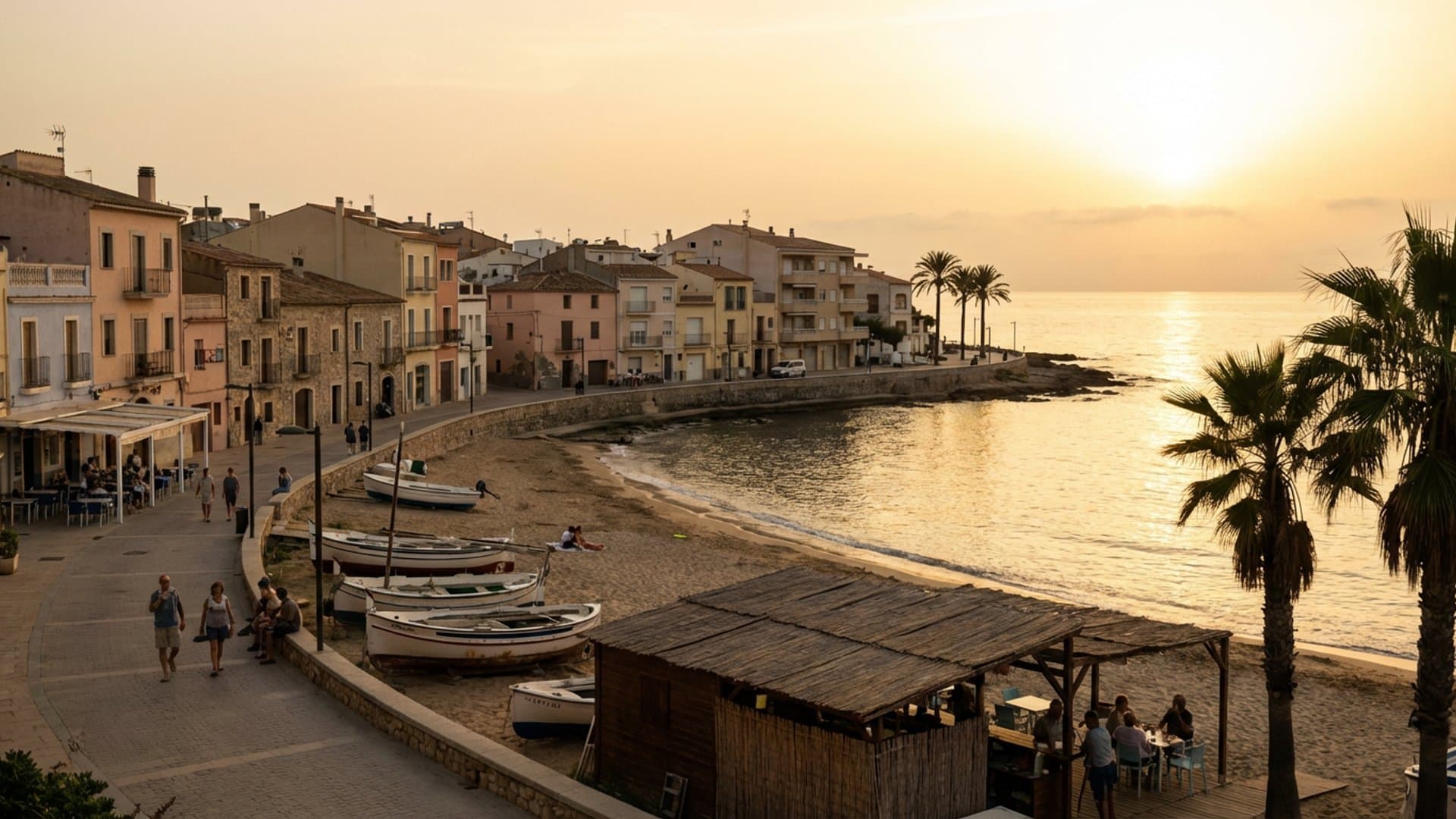
El Palo smells like salt and grilled fish. Not metaphorically — literally. On any given afternoon, the smoke from the espeto fires drifts across the seafront, mixing with the sea breeze and the sound of waves against the fishing boats still pulled up on the sand. This is not a staged experience for tourists. The boats are real, the fishermen are real, and the fish being served at the chiringuitos was swimming this morning.
The neighborhood sits at Málaga's eastern edge, just past Pedregalejo, where the city starts to thin out and the coast opens up. The streets are narrow and village-scaled, the buildings are low, and the pace is the slowest you'll find anywhere within city limits. Old men play cards outside the social club. The fish market operates on a schedule that hasn't changed in decades. Annual fiestas — particularly the Virgen del Carmen celebrations in July, when they carry the statue into the sea — are the biggest events on the social calendar and have been for generations.
What makes El Palo different from Pedregalejo, its immediate neighbor to the west, is a quality that's hard to quantify: grit. Pedregalejo has been discovered, polished slightly, absorbed a notable international community. El Palo is still holding out. The conversations at the chiringuito are almost entirely in Spanish. The properties are more affordable. The community is tighter and more traditional. For buyers who find Pedregalejo too smooth and Centro too loud, El Palo offers something rarer: an unreconstructed fishing village that happens to be fifteen minutes from a world-class city.
Who Buys Here
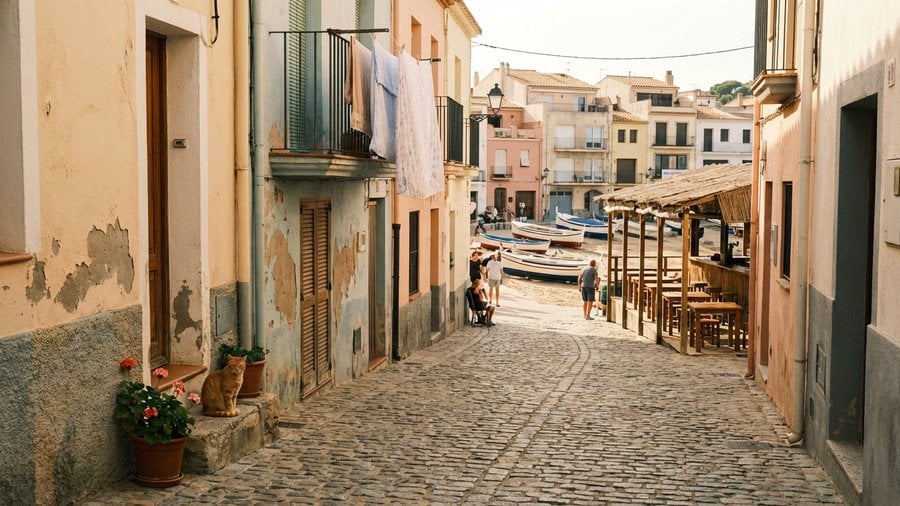
El Palo attracts buyers who find their way here after exploring the rest of Málaga and realizing that what they want most is the thing money can't manufacture: genuine community. The typical buyer has already visited Málaga at least once, possibly rented somewhere in the city, and has enough experience to value El Palo's raw authenticity over the more obvious charms of Centro's architecture or La Malagueta's sea views.
EU and UK expats who've lived in Spain previously form a significant group — people who know what "authentic" actually means and don't confuse it with "picturesque." Families who want their children to grow up integrated into Spanish life rather than in an international bubble are drawn to El Palo's safety and community warmth. Budget-conscious buyers who love the Pedregalejo lifestyle but find its prices stretching look east and discover that the same seafront promenade, the same chiringuito culture, and the same beach coves continue into El Palo at 15 to 25 percent less per square meter.
Retirees seeking a community to belong to — not just a climate to enjoy — find El Palo's tight-knit social fabric appealing. Once you're known here, you're welcomed, and the integration can happen faster than in larger, more anonymous neighborhoods.
Budget: entry-level apartments start around €180,000. The typical purchase range is €200,000 to €320,000. Properties at the higher end tend to be renovated apartments with sea views or the occasional townhouse with outdoor space. Villas on the hillside above (bordering El Limonar) can reach higher, but they're technically in the transition zone between the two neighborhoods.
Property Types & Pricing
El Palo's housing stock is predominantly apartments in low to mid-rise buildings (three to six floors), with a character that reflects the neighborhood's working-class fishing village origins. Buildings are modest, practical, and often showing their age. Floor plans tend to be compact but functional — tight kitchens, bedrooms that serve their purpose, and balconies that might be small but frequently face the sea.
The renovation potential here is significant and, critically, more affordable than in Pedregalejo. Original-condition apartments can be purchased at price points where the total cost of acquisition plus renovation still comes in below a comparable finished property in the western part of Pedregalejo. The buildings are structurally similar to Pedregalejo's — sound construction from the 1960s through 1980s that needs cosmetic and systems updating rather than structural intervention.
Some townhouses exist in the streets rising up from the seafront, offering small patios or terraces. These are rare on the market and highly sought after by buyers who want outdoor space without the El Limonar price tag.
Average prices per square meter sit between €2,200 and €2,800 — meaningfully below Pedregalejo's €2,800–3,500 and roughly half of La Malagueta's premium. For a beachfront neighborhood in a major Mediterranean city, this represents genuine value.
Living Here: The Practical Details
Daily life in El Palo revolves around the seafront promenade and the small commercial streets behind it. The promenade — a continuation of the same path that runs through Pedregalejo — is lined with chiringuitos, each with its own personality and loyal regulars. El Tintero, the most famous, operates on an auction-style system where waiters walk through the dining area announcing dishes and the first person to claim a plate gets it. It's chaotic, uniquely Spanish, and unmissable.
For groceries, there are local shops and a small market within the neighborhood, plus a Mercadona accessible by a short drive or bus ride. The commercial infrastructure is basic — El Palo doesn't have the boutique shops or specialty stores of Pedregalejo's western end. But for daily needs, everything is manageable.
The bus to Centro takes about fifteen minutes, running along the coastal road. The cycling path along the seafront connects El Palo to Pedregalejo and ultimately to the port area. There's no metro station — the nearest is several kilometers west. A car is useful for errands beyond the immediate neighborhood but not essential for daily life if your world revolves around the beach, the chiringuitos, and the local streets.
El Palo has several Spanish public schools within walking distance, and the neighborhood's family density means school communities are active. International schools are a drive away — fifteen to twenty minutes west toward Teatinos or El Limonar.
Fiber internet is available in most of the neighborhood, which has been a factor in attracting remote workers who want to work from home in a quieter setting than the buzzing cafés of Soho.
What We Love (And What to Know)
We love the realness. El Palo hasn't been curated, filtered, or optimized for visitors. The fishing boats on the beach are not decorations. The fiestas are not staged. The community is not performed. For buyers who've been through the property-search process and found everything else slightly too polished, too international, or too expensive, El Palo often feels like the place they were actually looking for all along.
What buyers should know: El Palo is further from Centro than any other neighborhood on this list. Fifteen minutes by bus is fine for an occasional dinner out, but it makes spontaneous nights in the city center slightly less likely than if you lived in Soho or La Malagueta. The international community is very small — daily life is conducted almost entirely in Spanish, which is either the point or a barrier depending on your language level. Some buildings are tired and underfunded. And the neighborhood's traditional character, while appealing, means it's slower to change: don't expect the café scene or commercial options to evolve as quickly as they might in Huelin or Soho.
How to Buy in El Palo
The market in El Palo is slow-paced and buyer-friendly. Properties sit longer than in more competitive neighborhoods, giving you time to compare, revisit, and negotiate. Asking prices typically have room for discussion, especially for properties that need renovation.
Townhouses and houses in El Palo rarely appear on major portals — they tend to sell through local word of mouth, neighborhood connections, and agents with genuine local presence. If you're specifically interested in a house rather than an apartment, an agent who knows the neighborhood personally is essential.
Due diligence follows the same patterns as the rest of Málaga: verify the Nota Simple, review the Comunidad minutes, check the ITE status for older buildings, and confirm that the building's plumbing and electrical systems are adequate. The buying process is standard — reservation, arras, notary — with typical timelines of six to ten weeks from accepted offer to completion.
Next step
Thinking about El Palo? Denise can help you compare it honestly with Pedregalejo, La Malagueta, and the rest of the east side.
Available properties in El Palo — The Fishing Village at Málaga's Edge
If this neighborhood is on your shortlist, this is the public sample of active homes Denise believes are worth visiting.
Related comparison guides
How buying here works
Renovation & Reform Guide
Planning to renovate an apartment or villa in Málaga? Permits, costs per m², timelines, building rules, and how to find reliable contractors. Complete guide.
What Happens After Purchase
You bought property in Málaga — now what? Setting up utilities, empadronamiento, insurance, community registration, residency steps, and ongoing obligations.
Daily-life guides for this neighborhood
Food & Dining
Málaga's food scene beyond the guidebooks: daily dining, markets, chiringuitos, supermarkets, and what it's really like to eat here every day as a resident.
Dog Owners Guide
Moving to Málaga with a dog? Pet-friendly neighborhoods, vet care, beaches, dog parks, import rules, and daily life with a pet in the city. Practical guide.
Published by Denise Guerrero
FAQ
What is the average property price in El Palo?
El Palo offers strong value for a beachfront location. Apartments typically range from €180,000 to €320,000 depending on size, condition, and sea proximity. The average price per square meter is €2,200 to €2,800 — approximately 15 to 25 percent below neighboring Pedregalejo and well under half of La Malagueta's premium pricing. For a two-bedroom apartment in good condition near the seafront, budget €220,000 to €280,000.
El Palo vs Pedregalejo — what's the difference?
They're adjacent neighborhoods sharing the same seafront promenade, but the character differs. Pedregalejo is slightly more polished, more international, with more renovated properties and a growing café scene that's attracted remote workers and young families. El Palo is grittier, more working-class, more traditionally Spanish, with lower prices and a tighter-knit community. The boundary is roughly at the Baños del Carmen area. Both offer excellent beach life and chiringuito culture. Choose Pedregalejo for a bit more refinement and international community. Choose El Palo for the most authentic coastal village experience within Málaga city limits.
Is El Palo really a fishing village?
In a meaningful sense, yes. Fishing boats are still pulled up on the beach at Playa del Palo. The morning catch still arrives and is served in the chiringuitos the same day. The Virgen del Carmen celebrations — when the patron saint of fishermen is carried into the sea — are a genuine community tradition, not a re-enactment. The fishing heritage is the neighborhood's identity, and while many residents now work in other industries, the culture, the food, and the rhythms of the community are still shaped by the sea.
What is the community like?
Tight-knit, predominantly Spanish, and warm once you're known. El Palo has the social density of a village — people know each other, greet each other, and notice when someone new arrives. Integration takes time and requires at least basic Spanish, but the community is welcoming to newcomers who make genuine effort. Annual fiestas and the chiringuito culture are the primary social connectors. This is not a neighborhood where you can remain anonymous — which is either exactly what you want or not right for you.
Is El Palo too far from the city center?
It depends on your definition of "too far." The bus takes about fifteen minutes to Centro. Cycling along the seafront takes about twenty. Driving is ten to twelve minutes. It's the furthest east of the neighborhoods we cover, and that distance is noticeable if you want spontaneous nights out in the city center. But for buyers whose daily life revolves around home, beach, and local neighborhood — which describes most El Palo residents — the distance to Centro is irrelevant. You go in for a specific dinner, a museum visit, or errands, and you come back to the village.
What is the beach like?
Playa del Palo and the adjacent coves are small, sandy, and less crowded than the main city beaches even in summer. The character is more natural and less manicured than La Malagueta's wide urban beach. Fishing boats share the sand with beachgoers, which adds charm rather than detracting from it. The chiringuitos along the El Palo seafront are among the most authentic in Málaga — lower-key than Pedregalejo's and less touristy. The water is clean, and the smaller cove format creates a sense of intimacy that the bigger beaches lack.
What types of properties are available?
The stock is predominantly apartments in low to mid-rise buildings (three to six floors), mostly from the 1960s through 1980s. Floor plans are compact but functional. Some townhouses exist in the streets behind the seafront, offering small terraces or patios — these are rare and sell quickly through local networks. On the hillside streets rising toward El Limonar, you'll find larger properties including some detached houses, though these are in the transition zone between the two neighborhoods. New construction is essentially nonexistent.
Are there good restaurants?
El Palo is a destination for seafood dining. El Tintero — the famous auction-style chiringuito where waiters parade dishes and the first person to shout claims the plate — is reason alone for many first visits to the neighborhood. Beyond El Tintero, a string of family-run chiringuitos serves grilled fish, fried fish, and the legendary espetos de sardinas. The dining scene is casual, affordable, and deeply Spanish. For international cuisine or fine dining, you'd head to Centro or Soho — but for the best grilled fish in Málaga, many locals will tell you El Palo is the place.
Is El Palo good for families?
Yes, with caveats. The neighborhood is safe, community-oriented, and offers direct beach access — all excellent for families with children. Several Spanish public schools are within walking distance. The tight-knit social fabric means children integrate quickly and develop Spanish-language friendships naturally. The caveats: international schools are a fifteen to twenty-minute drive, daily life is conducted in Spanish (which is great for immersion but challenging initially), and the commercial options for children's activities and entertainment are limited compared to Teatinos or Centro. For families committed to Spanish integration, El Palo is exceptional.
Is fiber internet available in El Palo?
Yes. Major providers (Movistar, Vodafone, Orange, Digi) offer fiber connections in most of El Palo, with speeds sufficient for remote work including video calls and large file transfers. This has been a factor in attracting remote workers to the neighborhood. Verify coverage at the specific address before purchasing — as with any city neighborhood, some older buildings may require new cabling to the unit, which the provider typically handles as part of installation.
What renovation opportunities exist?
El Palo offers some of the best renovation value in coastal Málaga. Original-condition apartments can be purchased for €180,000 to €220,000, and a quality full renovation (€800–1,000/m²) can transform them into attractive modern homes for a total investment that's still below the price of a renovated apartment in Pedregalejo. Building permits are generally straightforward. The building stock — primarily solid construction from the 1960s-1980s — responds well to interior renovation. The same caveats as elsewhere apply: hire a good architect, get a reliable builder, and budget a contingency of 10-15%.
What should I budget for monthly costs?
Monthly ownership costs in El Palo are modest. For a typical two-bedroom apartment, budget approximately €160 to €270 per month beyond your mortgage: community fees of €30–70 (most buildings have basic facilities), IBI property tax of €40–65 averaged monthly, utilities of €90–130, and home insurance of €25–40. Properties in buildings with elevators or communal terraces will be at the higher end of community fees. Overall, the monthly cost of ownership in El Palo is among the most affordable on the Málaga coast.
Not sure El Palo — The Fishing Village at Málaga's Edge is the right fit?
See which neighborhoods match your lifestyle, budget, and priorities — it takes 2 minutes.
Sell in El Palo — The Fishing Village at Málaga's Edge to international buyers
Request a confidential valuation with a launch strategy focused on expat and remote professional demand.