
Avg. price/m²
Typical property
€2,800–3,500
70–110 m², 2–3 bed
What It Feels Like
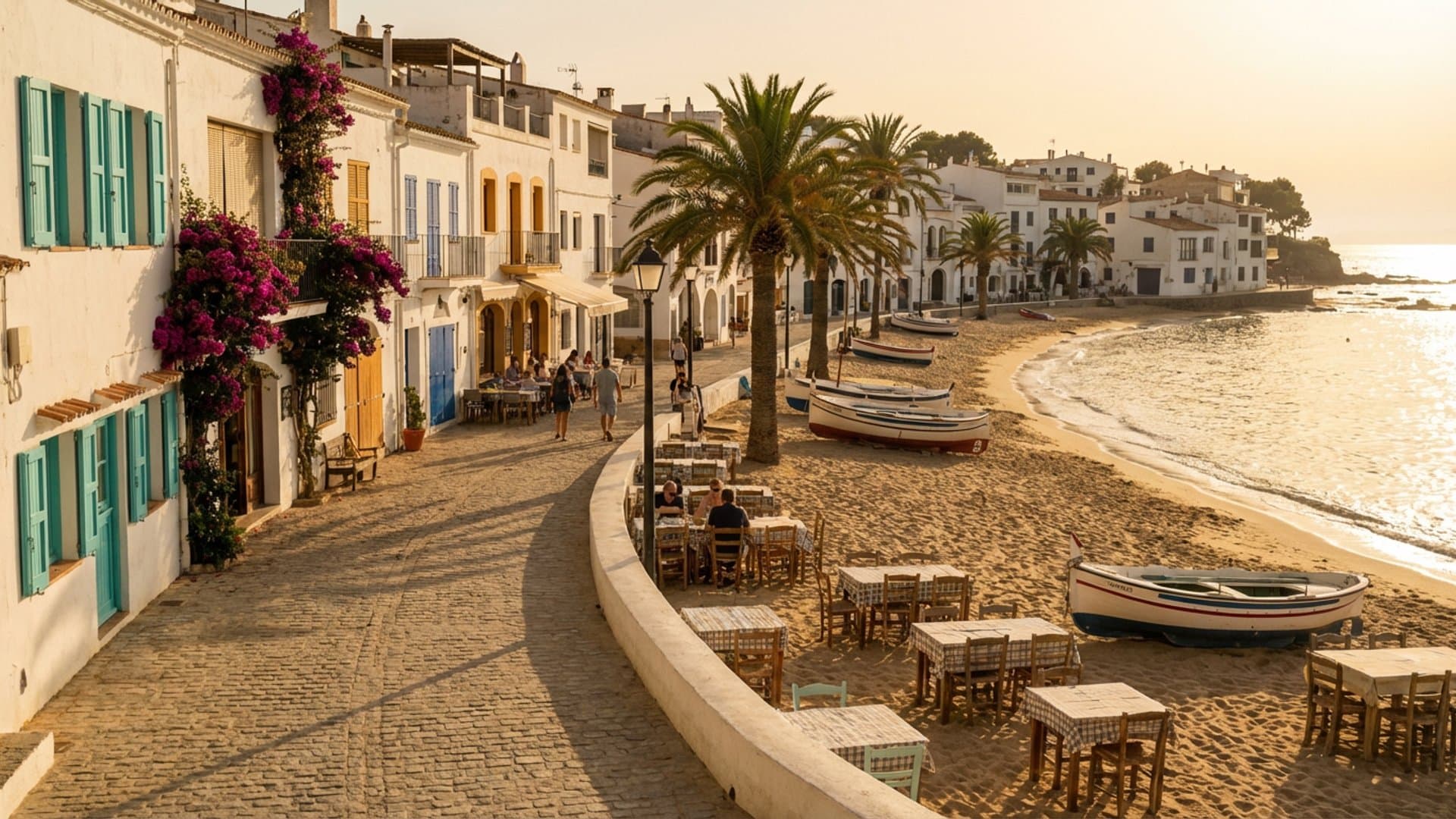
The first thing you notice about Pedregalejo is the pace. People walk slower here. Conversations at the corner bar stretch into a second café con leche. The narrow streets feel like they belong to a village that the city grew around but never quite absorbed — because that's exactly what happened. Pedregalejo was a fishing village long before it became part of Málaga, and that DNA is still visible in the low-rise buildings, the jasmine climbing over garden walls, and the neighbors who greet each other by name.
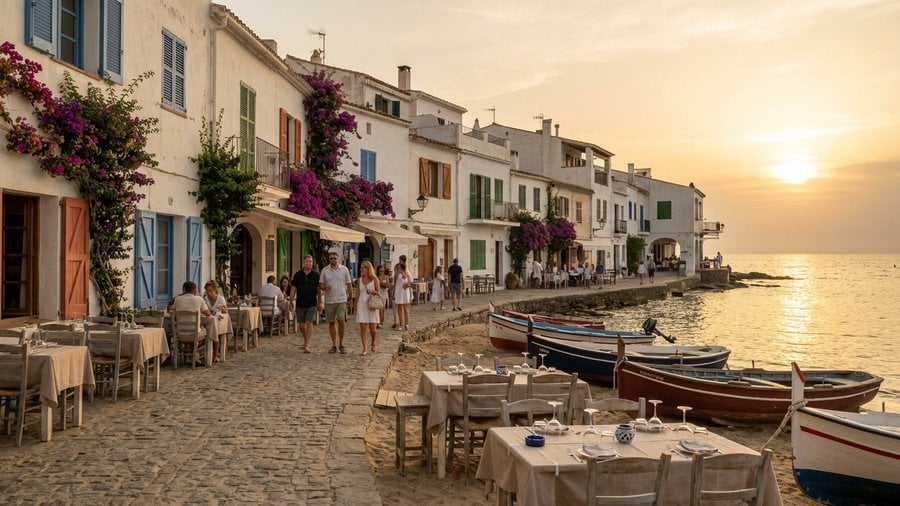
The seafront is the neighborhood's heartbeat. A string of chiringuitos — open-air beach restaurants built almost on the sand — runs the length of the promenade, serving grilled fish and cold beer from midday until the stars are out. The espetos de sardinas (sardines grilled on cane skewers over wood fires) are not a tourist attraction here — they're Tuesday lunch. Families with children, retirees with dogs, remote workers with laptops, and fishermen who still keep their boats on the beach share the same stretch of coast.
What has changed in the last decade is the arrival of an international community. British, German, Scandinavian, and American residents have put down roots here, drawn by the authenticity that resort towns lack. But Pedregalejo has absorbed them rather than being transformed by them. The conversations at the chiringuito are still mostly in Spanish, the bakeries still make their bread the old way, and the local fiestas are still the social events of the year. This balance — international enough to feel welcoming, Spanish enough to feel real — is Pedregalejo's defining quality.
Who Buys Here
Pedregalejo draws buyers who prioritize community and character over polish and prestige. The dominant buyer profile is families with young children — parents who want their kids to grow up riding bikes along the promenade, swimming in the small coves (calas), and developing friendships that cross language and cultural lines. The neighborhood's safety, walkability, and genuine village feel make it one of the most family-friendly environments in Málaga.
The second major group is expats who've already spent time in Spain and know what they want. These aren't first-time visitors charmed by a holiday. They've typically rented in Málaga or another Spanish city, understand the lifestyle trade-offs, and have chosen Pedregalejo specifically because it offers the authentic Spain they fell in love with — without the sterility of purpose-built expat enclaves.
Remote workers and digital nomads form a growing third group, attracted by the low-key lifestyle, strong internet infrastructure, and the ability to work from home (or from a café with a sea view) without the noise and cost of living in Centro or Soho.
Budget expectations: entry-level apartments start around €250,000 for a two-bedroom that may need some updating. Renovated properties in good locations range from €300,000 to €400,000. Townhouses — the most sought-after property type here — run from €350,000 for projects needing work to €500,000 and above for fully renovated homes with patios or sea glimpses.
Property Types & Pricing
Pedregalejo offers more architectural variety than almost any other Málaga neighborhood. You'll find traditional townhouses (casas) with interior patios and tile-roofed terraces, apartment blocks of three to five floors (many with balconies and terraces offering partial sea views), renovated flats inside older buildings that preserve original details — hydraulic tile floors, high ceilings, wrought-iron balconies — and a limited number of detached or semi-detached villas on the hillside streets rising toward El Limonar.
This variety is one of the neighborhood's strongest selling points. In Centro Histórico, you're buying an apartment. In Teatinos, you're buying a modern flat. In Pedregalejo, your options range from a compact beach apartment to a rambling townhouse with a garden — depending on your budget and what matters to you.
Renovation opportunities are abundant and represent excellent value. Original-condition apartments and townhouses in Pedregalejo can be purchased at entry-level prices and transformed into stunning properties. Because the neighborhood doesn't carry the same historic-protection restrictions as Centro Histórico, renovation permits are generally more straightforward and timelines more predictable.
Average prices per square meter sit between €2,800 and €3,500 — meaningfully more affordable than La Malagueta's €3,800–4,500 while still being a beachfront neighborhood. New-build developments are rare, as the neighborhood is largely built out, but small boutique projects of four to eight units occasionally appear.
Living Here: The Practical Details
Daily life in Pedregalejo revolves around the seafront and the small commercial streets behind it. The chiringuitos aren't just restaurants — they're the community's living rooms. Friday lunch, Saturday dinner, a Sunday morning coffee watching the waves: these are the rituals that structure the week.
For groceries, there are small local shops, a bakery that's been open for decades, and a weekly street market. A Mercadona and larger supermarkets are a short drive or bus ride away — not walking distance for a big shop, but manageable. The Atarazanas market in Centro is a twenty-minute walk along the seafront for anyone who wants the full market experience.
The beach here is different from La Malagueta's wide sandy expanse. Pedregalejo's coast is a series of smaller coves (calas) separated by rocky outcrops, each with its own character. They're less crowded than the main city beach even in high summer, and the water is clean. Several have chiringuitos right on the sand.
Transport to Centro is easy: the bus takes about eight minutes, cycling along the flat seafront bike lane takes ten, and walking along the promenade takes twenty — one of the more pleasant commutes you'll find anywhere. There's no metro station in Pedregalejo, so if you need the metro, you'd bus or drive to the nearest stop.
Schools are a genuine strength. Several Spanish public and concertado schools are within walking distance or a short drive, and the neighborhood's family density means school communities are active and welcoming. International schools are further afield — a ten to fifteen-minute drive toward Teatinos or El Limonar — but many Pedregalejo families choose Spanish-language education for the integration benefits.
Pedregalejo is one of the more dog-friendly neighborhoods in Málaga. Dogs are a common sight along the promenade, at the outdoor terraces, and on the quieter stretches of beach in the off-season.
What We Love (And What to Know)
We love the authenticity — the sense that Pedregalejo is a real place where real people live real lives, not a curated experience designed for visitors. We love the chiringuitos, the coves, the community feeling, and the fact that international and Spanish residents genuinely mix here rather than existing in parallel.
What buyers should know: some streets in the older core are narrow and steep, which can be challenging for anyone with mobility concerns and makes parking even more creative than it already is in Málaga. On-street parking fills up fast, and many older buildings don't include garage spaces. The seafront restaurants get lively on summer evenings — this is mostly charming, but if you're buying a ground-floor apartment directly behind a chiringuito, test the noise level on a Saturday night in July before you commit. Some older buildings need updating: plumbing, electrical, and waterproofing work is common in pre-1980s construction.
The neighborhood borders El Palo to the east and El Limonar on the hillside above. The boundaries are gradual rather than sharp — you can walk from one into the other without noticing. When evaluating properties, confirm the exact location on a map rather than relying on the listing description, as "Pedregalejo" is sometimes used loosely to include bordering areas.
How to Buy in Pedregalejo
The Pedregalejo market moves at a moderate pace — not as frenzied as La Malagueta, but desirable properties don't sit for long. Townhouses are the most sought-after property type and frequently sell through word of mouth before ever appearing on a public listing. An agent with genuine local relationships — someone who knows which owners might be considering selling — provides access that online searching cannot.
Local knowledge matters in practical ways here. Some lower-lying streets experience temporary flooding during Málaga's infrequent but intense rain events (DANA/gota fría). This is rare — perhaps once or twice a year — and resolves within hours, but ground-floor properties on certain streets carry more risk than upper-floor apartments. Your agent should be able to identify which streets are affected.
The buying process itself follows the same structure as the rest of Málaga: reservation agreement, arras contract, and notary completion. Budget six to ten weeks from accepted offer to keys. The standard buying process applies, and having your NIE, lawyer, and financing organized before you start viewing will put you ahead of less-prepared buyers.
Next step
Thinking about Pedregalejo? Denise can help you compare streets, renovation risk, and whether the neighborhood fits your real routine.
Available properties in Pedregalejo — Málaga's Beloved Beach Village
If this neighborhood is on your shortlist, this is the public sample of active homes Denise believes are worth visiting.
Related comparison guides
How buying here works
Property Taxes Explained
Every tax you'll pay when buying and owning property in Spain: transfer tax, IBI, non-resident income tax, capital gains, and more. Complete breakdown.
What Happens After Purchase
You bought property in Málaga — now what? Setting up utilities, empadronamiento, insurance, community registration, residency steps, and ongoing obligations.
Property types that fit here
Daily-life guides for this neighborhood
Food & Dining
Málaga's food scene beyond the guidebooks: daily dining, markets, chiringuitos, supermarkets, and what it's really like to eat here every day as a resident.
Dog Owners Guide
Moving to Málaga with a dog? Pet-friendly neighborhoods, vet care, beaches, dog parks, import rules, and daily life with a pet in the city. Practical guide.
Coworking & Remote Work
The best coworking spaces in Málaga for digital nomads and remote workers. Locations, prices, vibes, and which neighborhoods work best for working remotely.
Published by Denise Guerrero
FAQ
What is the average property price in Pedregalejo?
Pedregalejo offers strong value for a beachfront Málaga neighborhood. Apartments typically range from €250,000 for a two-bedroom needing some updating to €400,000 for a renovated property in a desirable location. Townhouses vary more widely — from €300,000 for projects requiring renovation to €500,000 and above for fully finished homes with outdoor space or sea views. Average prices per square meter fall between €2,800 and €3,500, which is significantly more accessible than La Malagueta while still offering direct beach proximity.
Is Pedregalejo good for families?
Pedregalejo is one of the best family neighborhoods in Málaga. It offers a safe, walkable environment with a genuine community feel, direct beach access, several good local schools, and a pace of life that's calmer than the city center. Children grow up riding bikes on the promenade, swimming in the coves, and forming friendships across languages and cultures. The mix of Spanish and international families means multilingual social circles develop naturally. It's the kind of neighborhood where people look out for each other's children.
How far is Pedregalejo from Málaga city center?
Pedregalejo is approximately 3.5 kilometers east of the historic center. You can walk along the scenic seafront promenade in about twenty minutes, cycle in ten, or take the bus in about eight minutes. It's close enough to enjoy everything Centro offers — restaurants, museums, nightlife, shopping — without living in the middle of it. Many residents describe the distance as the perfect buffer: close enough for a spontaneous dinner out, far enough to feel like a retreat when you come home.
What is the expat community like in Pedregalejo?
Pedregalejo has a growing but well-integrated international community. British, German, Scandinavian, Dutch, and American residents live alongside Spanish families in the same buildings and share the same chiringuitos. The community isn't segregated — internationals participate in local life rather than forming a parallel expat bubble. Several informal groups organize social events, language exchanges, and activities. It's one of the few Málaga neighborhoods where EU and UK expats integrate naturally into the daily fabric of the neighborhood.
What types of properties are available in Pedregalejo?
Pedregalejo offers more variety than most Málaga neighborhoods, which is part of its appeal. You'll find traditional townhouses with interior patios, apartments in low-rise buildings (many with terraces and partial sea views), renovated flats in older buildings that preserve original architectural details like hydraulic tile floors and high ceilings, and a limited number of villas on the hillside toward El Limonar. Renovation projects are available and tend to be more affordable than in Centro. The variety means buyers across different budgets and lifestyle preferences can find something here.
Pedregalejo vs El Palo — what's the difference?
Pedregalejo and El Palo are adjacent neighborhoods that blend into each other along the seafront. Pedregalejo tends to be slightly more polished and international, with more renovated properties, established chiringuitos, and a café scene that's attracted remote workers and young families. El Palo retains a more working-class, traditional fishing village character with lower property prices — typically 15 to 25 percent less per square meter. The boundary is roughly at the Baños del Carmen area. Many buyers explore both and choose based on gut feeling: Pedregalejo for a bit more refinement, El Palo for a bit more grit and authenticity.
Are there good restaurants in Pedregalejo?
Pedregalejo is arguably Málaga's best neighborhood for casual seafood dining. The seafront promenade is lined with chiringuitos — open-air restaurants specializing in grilled fish, especially the famous espetos de sardinas grilled on skewers over wood fires on the beach. Beyond the chiringuitos, you'll find tapas bars, several international restaurants, and a growing café scene. Sunday lunch at a chiringuito overlooking the sea is a Málaga institution. You'll never need to go to Centro for a great meal — though you might walk there for the fun of it.
Is parking a problem in Pedregalejo?
In the older core, yes. Streets are narrow, and on-street spots fill up by mid-morning. Many older buildings don't include garage spaces. Newer apartments and some renovated townhouses do offer private parking — and if a property includes a garage, treat it as a genuine value-add. If you're buying without parking, a rented space nearby costs approximately €80–120 per month. The streets closer to the main avenue (Avenida Salvador Allende) have somewhat better availability, and the eastern edge toward El Palo is less pressured than the popular central streets.
Can I renovate a property in Pedregalejo?
Absolutely. Pedregalejo has some of the best renovation opportunities in Málaga. Older townhouses and apartments with original features — tile floors, high ceilings, interior patios — can be transformed into exceptional properties at a lower entry point than Centro or La Malagueta. Building permits in Pedregalejo are generally more straightforward than in Centro Histórico, which carries strict historic-protection requirements. Budget approximately €800 to €1,200 per square meter for a quality full renovation (reform integral), and allow three to six months for completion depending on scope. A good architect and a reliable local builder are your two most important hires.
Is Pedregalejo a good area for remote workers?
Increasingly so. The relaxed pace, beach access, strong café culture, and reliable fiber internet infrastructure make Pedregalejo a compelling work-from-home base. Digital nomads and remote workers are a growing presence, particularly in the chiringuito-adjacent cafés. There's no coworking space within the neighborhood itself — the nearest options are in Centro and Soho, about ten to fifteen minutes away by bus. The tradeoff compared to Centro or Soho: you gain a better daily lifestyle but give up walkable coworking and late-night options. For most remote workers, that's a trade worth making.
Does Pedregalejo flood?
Málaga occasionally experiences intense rainfall events (known locally as DANA or gota fría), and some lower-lying streets in Pedregalejo can experience temporary surface flooding during the most extreme episodes. This is infrequent — perhaps once or twice a year — and typically resolves within hours as the drainage system clears. When evaluating properties, ask your agent about drainage on the specific street, check whether the building has any history of water issues, and note that ground-floor properties on certain streets carry more weather exposure than upper-floor apartments. This is a manageable consideration, not a reason to avoid the neighborhood.
What should I budget for monthly costs in Pedregalejo?
Beyond your purchase price, expect approximately €200 to €350 per month for a typical two-bedroom apartment. This breaks down roughly as: community fees (gastos de comunidad) of €50–120 depending on building amenities, IBI property tax of €50–80 per month averaged across the year, utilities (electricity, water, gas, internet) of €100–150, and home insurance of €30–50. Properties in buildings with pools, gardens, or elevators will have higher community fees. Townhouses with no community may have lower fees but higher individual maintenance costs for the exterior and roof.
Not sure Pedregalejo — Málaga's Beloved Beach Village is the right fit?
See which neighborhoods match your lifestyle, budget, and priorities — it takes 2 minutes.
Sell in Pedregalejo — Málaga's Beloved Beach Village to international buyers
Request a confidential valuation with a launch strategy focused on expat and remote professional demand.