
Avg. price/m²
Typical apartment
€1,800–2,400
70–100 m², 2–3 bed
What It Feels Like
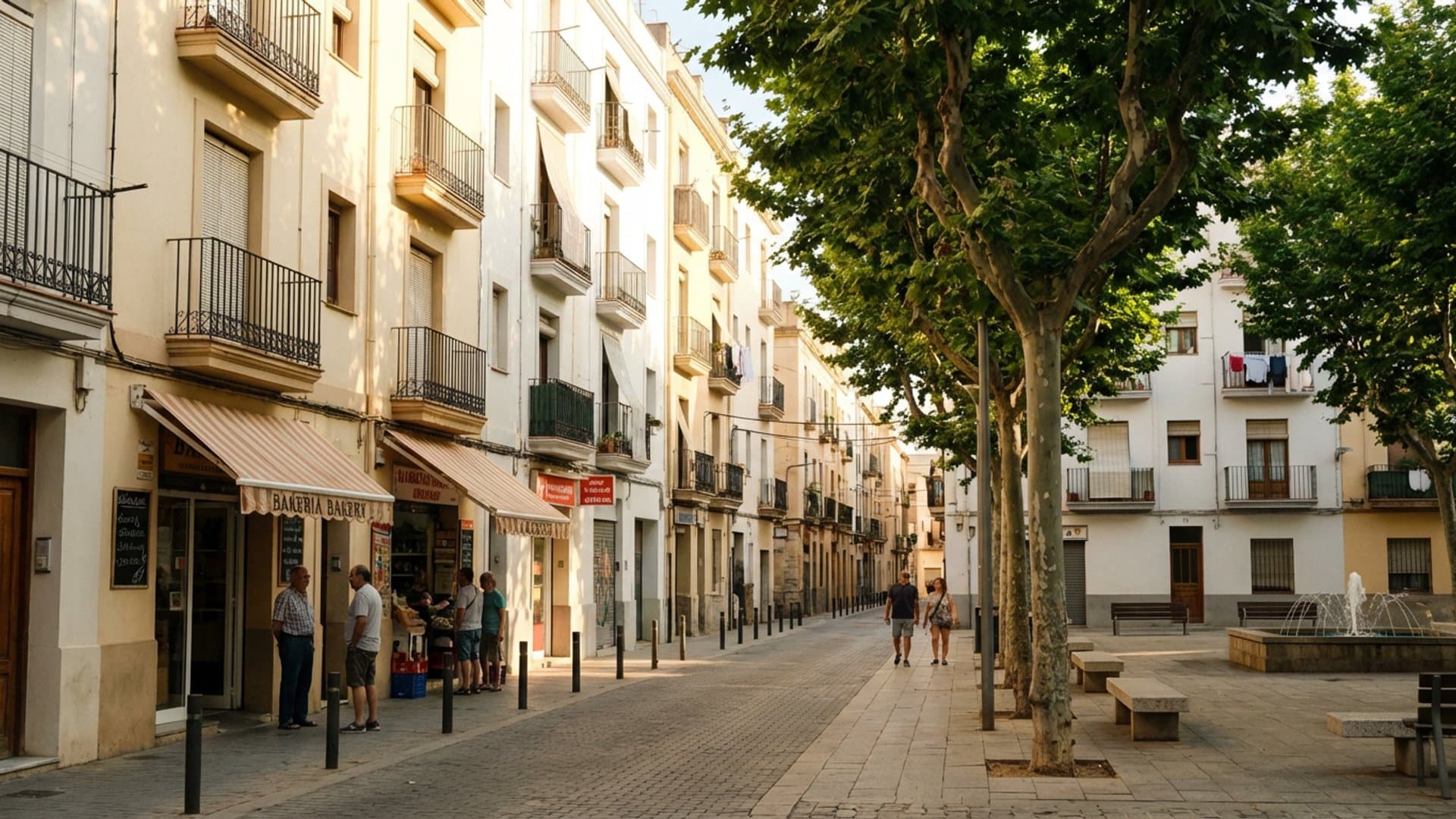
La Paz is where Málaga goes to live its everyday life. There are no tourist attractions here, no guided walking tours, no influencers posing in doorways. What you'll find instead is a neighborhood that runs on neighborhood rhythms: morning coffee at the same bar where the waiter knows your order, groceries from the same shop where the owner asks about your family, an evening paseo along the avenue where children play and grandparents occupy the same benches they've occupied for decades.
Ciudad Jardín — the "Garden City" district that borders La Paz to the east — adds a slightly different character: quieter streets, some with single-family homes and small gardens that give the area its name. Together, La Paz and Ciudad Jardín form a residential corridor connecting Centro to the university and hospital district, creating a neighborhood that's central without being touristic, affordable without being neglected, and local without being closed to newcomers.
For international buyers who came to Spain because they wanted to live in Spain — not in a version of their home country transplanted to a warmer climate — La Paz offers the purest form of that experience. The language of daily life here is Spanish. The cultural references are local. The community is real. And the prices are among the most accessible in Málaga.
Who Buys Here
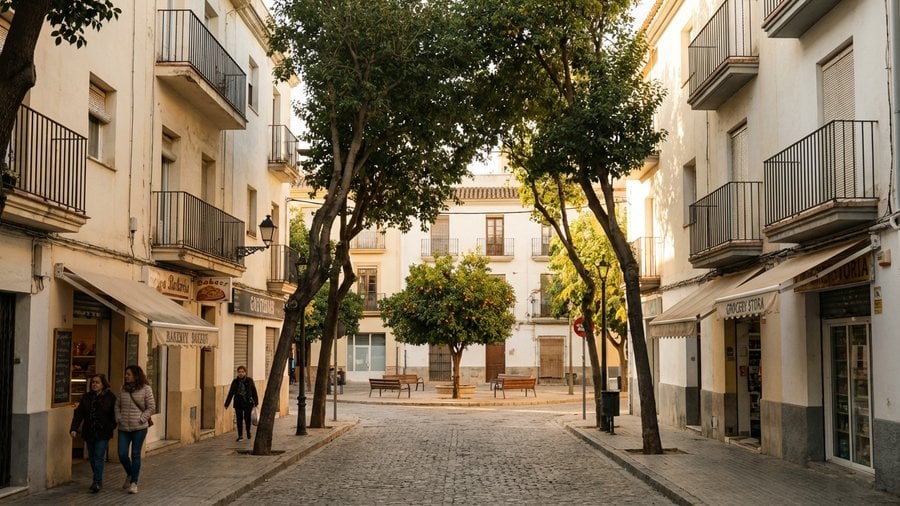
La Paz attracts buyers who prioritize authenticity and value over beach proximity or international community. The typical profile is a budget-conscious individual or couple who wants to own rather than rent, speaks at least some Spanish (or is committed to learning), and values being embedded in genuine local life.
Retirees from the UK and Northern Europe form a notable segment — people who've spent years visiting Spain and want to live somewhere real, not a retirement development. Young professionals who work remotely and don't need to be in Centro daily find La Paz appealing: affordable, well-connected, and quiet enough to work from home without distraction.
EU and UK expats who've already lived in Spain and outgrown the expat-community phase often migrate toward neighborhoods like La Paz, where they can integrate fully into Spanish daily life while maintaining their international friendships through choice rather than proximity.
Budget: La Paz is genuinely accessible. Entry-level apartments start around €130,000 for a two-bedroom in an older building. Properties in good condition range from €160,000 to €220,000. Larger, renovated apartments or those in newer buildings can reach €250,000, but the ceiling is significantly lower here than in any of Málaga's premium neighborhoods.
Property Types & Pricing
The housing stock in La Paz and Ciudad Jardín is predominantly apartments in residential blocks from the 1970s through 1990s. Buildings are typically five to eight floors, solidly built if architecturally unremarkable. Floor plans tend to be practical with separate kitchens, dedicated bedrooms, and functional balconies — more space per euro than you'll find in Centro or Soho.
In Ciudad Jardín specifically, you'll find some townhouses and low-rise detached homes — remnants of the area's original "garden city" planning — though these are increasingly rare and sought after when they appear on the market. They offer a middle ground between apartment living and the villa lifestyle of El Limonar, at a fraction of the price.
Renovation opportunities are abundant. Many apartments are in original condition and can be purchased for under €150,000, then renovated to modern standards for an all-in cost that's still below what you'd pay for a smaller apartment in Centro. The buildings are structurally sound in most cases — the renovation is cosmetic and systems-based (kitchen, bathroom, electrical, plumbing), not structural.
Average prices per square meter sit between €1,800 and €2,400, making La Paz one of the most affordable neighborhoods within Málaga city limits. For context, that's roughly half the per-meter cost of La Malagueta.
Living Here: The Practical Details
Transport is La Paz's strongest practical feature. The neighborhood sits along the Metro Línea 1 corridor, with stations providing direct access to Centro, the main shopping streets, and the university district. Multiple bus routes supplement the metro. Walking to Centro takes about fifteen minutes from the western edge of the neighborhood. This level of connectivity at this price point is rare in Málaga.
For groceries, La Paz is well served: a Mercadona, various local supermarkets, fruit shops, butchers, and bakeries are scattered throughout the neighborhood. The commercial streets have the kind of small, family-run shops that have mostly disappeared from Centro's tourist-oriented retail. There's a weekly street market that draws residents from across the area.
Dining options are local and affordable: neighborhood bars serving tapas, menú del día restaurants offering three-course lunches for €10–12, and cafeterías where the morning tostada con aceite is a ritual. This isn't the gastronomy scene of Centro or Pedregalejo — it's honest, affordable, everyday Spanish food.
The closest beach is Playa de Huelin, a fifteen to twenty-minute walk or a quick bus ride. La Paz is not a beach neighborhood — if daily beach access is a priority, look at Pedregalejo, El Palo, or Huelin instead. But the beach is close enough for a weekend routine.
Schools — Spanish public and concertado — are well distributed throughout the neighborhood. The university campus is nearby, which brings a youthful energy to the surrounding streets. International schools are further away, primarily in the Teatinos and El Limonar direction.
What We Love (And What to Know)
We love the authenticity. La Paz is the real Spain that many international buyers say they came looking for — the local bars, the neighborhood markets, the relationships that develop over time with the shopkeeper, the pharmacist, the porter. We love the transport connectivity, the affordability, and the sense that you're part of a community rather than visiting one.
What buyers should know: the international community here is very small. If having an English-speaking social network within walking distance matters to you, La Paz will feel isolated. The neighborhood's aesthetics are utilitarian — these aren't the charming streets of Centro or the village lanes of Pedregalejo. Some buildings, particularly from the 1970s, have basic common areas and small elevators. Street noise on the main avenues can be significant. And while the neighborhood is safe, it has a more urban, working-class feel than the premium areas — newcomers should walk the specific streets they're considering at different times of day before committing.
How to Buy in La Paz
The La Paz market is the most relaxed on this list. Properties sit on the market longer than in any of the premium neighborhoods, giving buyers time to compare options, negotiate, and make unhurried decisions. Asking prices almost always have room for negotiation, particularly for apartments that need work.
The buying process follows the standard Málaga pattern: reservation, arras, and notary completion. At the lower price points common in La Paz, many buyers purchase without a mortgage, which simplifies the process and speeds up completion.
Due diligence should focus on building condition: verify the community's financial health (request Comunidad minutes and check for pending derramas), check the elevator status (some older buildings have none), verify that the electrical and plumbing systems meet current standards (older buildings may need rewiring or replumbing as part of a renovation), and check for any building-level ITE inspections that might be pending.
Next step
Thinking about La Paz? Denise can help you compare value, street feel, and whether the neighborhood matches the life you actually want to build.
Available properties in La Paz — Authentic Málaga, Excellent Value
If this neighborhood is on your shortlist, this is the public sample of active homes Denise believes are worth visiting.
Related comparison guides
Family Neighborhoods
Moving to Málaga with children? Compare Teatinos, El Limonar, and La Paz for schools, space, safety, and family life. Expert neighborhood guide.
Where to Buy by Budget
From €130K to €1M+ — find the best Málaga neighborhood for your budget. Every price bracket mapped to specific neighborhoods with honest expectations.
How buying here works
Mortgage for Foreigners
Can foreigners get a mortgage in Spain? Yes. Loan-to-value ratios, interest rates, required documents, and which banks to approach. Practical buyer guide.
Renovation & Reform Guide
Planning to renovate an apartment or villa in Málaga? Permits, costs per m², timelines, building rules, and how to find reliable contractors. Complete guide.
Property types that fit here
Daily-life guides for this neighborhood
Cost of Living
What does it actually cost to live in Málaga? Rent, groceries, dining, transport, healthcare, and more. Honest monthly budget breakdown for expats and relocators.
Getting Around
Do you need a car in Málaga? Buses, metro, tram, cycling, walking, and driving — honest transport guide for each neighborhood. Everything relocators need to know.
Published by Denise Guerrero
FAQ
What is the average property price in La Paz?
La Paz offers some of the most accessible prices in Málaga city. Two-bedroom apartments in older buildings start around €130,000. Properties in good condition typically range from €160,000 to €220,000. Renovated or newer apartments can reach €250,000 for larger units. The average price per square meter is €1,800 to €2,400 — roughly half of what you'd pay in La Malagueta and significantly less than Centro or Soho.
What is the neighborhood like?
La Paz is a residential, predominantly Spanish neighborhood that runs on everyday local rhythms. Family-run shops, neighborhood bars, morning markets, and evening paseos define the pace. It's not touristic, not polished, and not designed for visitors — it's a working neighborhood where families live, children go to school, and daily life unfolds in Spanish. For international buyers who want to integrate into genuine local life rather than live in an expat enclave, La Paz offers the most authentic experience in the city.
Is there an international community in La Paz?
The international community in La Paz is small. You won't find expat meetups, English-language social groups, or a critical mass of foreign residents the way you would in Pedregalejo or Centro. This is part of the appeal for some buyers and a barrier for others. If you speak Spanish — or are committed to learning quickly — the neighborhood's warmth will become apparent as your relationships with local neighbors and shopkeepers develop. If you need an English-speaking support network close by, consider starting in a more international neighborhood and potentially moving to La Paz once you're established.
How are the transport connections?
Excellent — this is one of La Paz's strongest features. The Metro Línea 1 runs through the neighborhood with stations providing direct access to Centro, the shopping districts, and the university. Multiple bus routes connect to the rest of the city. Walking to Centro takes about fifteen minutes from the western edge. For a neighborhood at this price point, the connectivity is exceptional and a key part of the value proposition.
How far is the closest beach?
The nearest beach is Playa de Huelin, approximately fifteen to twenty minutes on foot or a quick bus ride. La Paz is not a beach neighborhood — you won't step out your door and onto the sand. But the beach is close enough for a regular weekend routine, and the bus or metro can get you to the seafront quickly. If daily beach access is non-negotiable, Pedregalejo, El Palo, Huelin, or La Malagueta are better options.
How does La Paz compare to Teatinos?
Both offer affordable, residential living with good transport, but the character is different. Teatinos is modern, with new-build apartments, shopping centers, wide avenues, and a tram connection. It feels planned and contemporary. La Paz is older, more established, and more local in character — narrower streets, older buildings, neighborhood shops instead of chain stores. Teatinos is slightly further from Centro but has newer housing stock. La Paz is closer to the center with lower prices but older apartments. Choose Teatinos for modern convenience. Choose La Paz for authenticity and proximity.
Is La Paz a good investment?
La Paz is undervalued relative to its connectivity and central location. As Málaga's property market continues to expand outward from the premium core, well-connected neighborhoods like La Paz are likely to benefit from spillover demand. Metro access, university proximity, and hospital proximity provide consistent long-term rental demand. The entry point is low enough that renovation-and-hold strategies can generate solid returns. It's not a speculative play — it's a fundamentals play for patient buyers.
What types of properties are available?
The stock is predominantly apartments in five to eight-story residential blocks from the 1970s through 1990s. Sizes are generous for the price — three-bedroom apartments of 90 to 100 square meters are available at price points where you'd get a one-bedroom in Centro. In Ciudad Jardín, some townhouses and low-rise detached homes exist, offering a villa-lite experience at a fraction of El Limonar prices. New construction is rare — the neighborhood is largely built out.
Are there good renovation opportunities?
La Paz is arguably the best renovation opportunity in Málaga. Entry prices of €130,000 to €160,000 for original-condition apartments, combined with renovation costs of €50,000 to €80,000, result in finished properties that compare favorably with €250,000+ purchases in better-known neighborhoods. The buildings are structurally sound in most cases. The renovation work is typically cosmetic: kitchens, bathrooms, flooring, electrical updates, and plumbing. A quality renovation in La Paz offers the best ratio of investment-to-result in the city.
Is La Paz safe?
Yes. La Paz is a standard residential neighborhood with normal urban safety considerations. It has a working-class character that some visitors misinterpret as being unsafe, but crime rates are comparable to other Málaga residential areas. As with any city neighborhood, exercise basic awareness — lock your door, don't leave valuables visible, be normally alert when walking at night on quieter streets. The overwhelming daily experience is of a safe, family-oriented neighborhood where people go about their lives undisturbed.
What are the schools like?
La Paz and Ciudad Jardín have several Spanish public (colegio público) and semi-private (concertado) schools within walking distance. These are generally well-regarded and offer full immersion in the Spanish educational system, which many international families prefer for integration purposes. The university campus is nearby, adding an educational atmosphere to the area. International schools are further away — primarily toward Teatinos and El Limonar — requiring a car or bus commute.
What should I budget for monthly costs?
La Paz has some of the lowest monthly ownership costs in Málaga. For a typical two-bedroom apartment, budget approximately €140 to €250 per month beyond your mortgage: community fees of €25–60 (many buildings have basic communal facilities, keeping fees low), IBI property tax of €35–60 averaged monthly, utilities of €80–120, and home insurance of €20–35. The total monthly cost of ownership is meaningfully lower than in premium neighborhoods, which is part of what makes La Paz attractive to buyers on a single income or a defined retirement budget.
Not sure La Paz — Authentic Málaga, Excellent Value is the right fit?
See which neighborhoods match your lifestyle, budget, and priorities — it takes 2 minutes.
Sell in La Paz — Authentic Málaga, Excellent Value to international buyers
Request a confidential valuation with a launch strategy focused on expat and remote professional demand.