
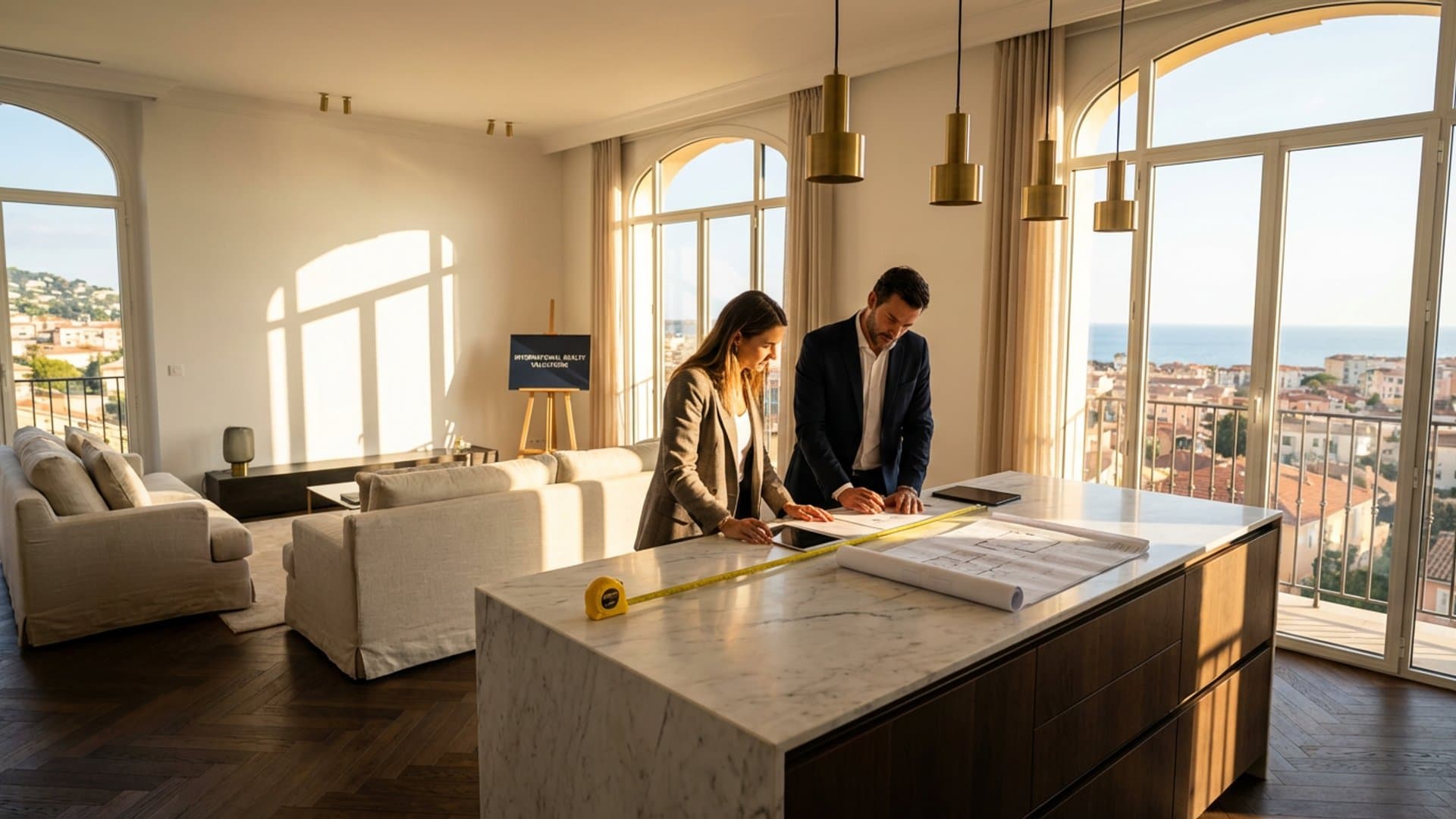
What You'll Receive from a Valuation
A valuation from Denise is not a quick estimate or an automated number. It's a structured assessment that covers three things.
Pricing guidance. An informed view of where your property sits within the current market — taking into account location, condition, comparable activity, and the specific buyer profiles most likely to be interested. This isn't a guaranteed figure. It's a realistic range supported by market knowledge and experience selling in your area.
A positioning narrative. Who is the most likely buyer for your property, and why? Is it an international remote professional looking for a turnkey home in Soho? A family relocating from northern Europe drawn to the space and schools near Teatinos? A design-conscious buyer who values the character of Centro Histórico? The positioning shapes everything — from how the property is described to which channels reach the right audience.
A launch plan. A clear, step-by-step outline of how the property would be prepared, presented, and brought to market. Not a promise of outcomes — a plan of action that you review and approve before anything begins.
You receive all three in a written format after an initial conversation and, where possible, a visit to the property. There's no obligation to proceed.
Pricing: How the Value Is Approached
Pricing a property well means understanding more than comparable sales. It means understanding demand — who is actively looking, what they're prepared to pay, and what makes them choose one property over another.
Denise draws on several inputs when developing pricing guidance:
Location specifics. Not just the neighborhood, but the street, the floor, the orientation, and the micro-area. A renovated apartment on a quiet street in Soho and one on a main road three blocks away are different propositions — and attract different buyers at different prices. The selling guides for Centro, Soho, and Teatinos cover what drives value in each area.
Condition and presentation. A turnkey property that's ready for an international buyer to move into commands a different response than one that needs significant work. The gap between the two isn't just about renovation cost — it's about how the property is perceived.
Buyer profile and reach. Properties priced for a purely local audience may not reflect the full demand picture. International buyers — Americans, Europeans, digital nomads — often have different reference points and different priorities. Understanding who your property appeals to and how broadly it's marketed affects what it can achieve. The guides on selling to U.S. buyers and selling to expats and digital nomads cover these dynamics.
Market context. Current activity, seasonal patterns, and the broader supply picture in your area. Denise doesn't invent statistics — she shares what she's observing directly through her work with active buyers and sellers.
The pricing guidance you receive is honest. If the market supports a strong price, she'll tell you. If expectations need adjusting, she'll tell you that too — clearly and respectfully, before you commit to a strategy.
Positioning: How Your Property Is Framed for the Right Buyers
Positioning is the part of a sale that most sellers don't think about — and that makes the biggest difference.
It's the answer to: why would the right buyer choose this property over the others they're considering?
For international buyers especially, the answer is rarely just price or square meters. It's about how the property fits into the life they're planning. A buyer relocating from the U.S. to work remotely in Málaga isn't just buying an apartment — they're buying reliable internet, a workspace, a walkable neighborhood, and the confidence that the purchase process will be handled properly. A couple moving from London wants to know the property is genuinely move-in-ready, that the community is well managed, and that the daily rhythm of the street suits how they want to live.
Denise develops the positioning based on the property's real strengths — not invented ones. This includes:
Identifying the primary buyer profile. Who is most likely to buy this property, based on its location, layout, condition, and price point? Positioning that speaks directly to that buyer is more effective than generic marketing.
Articulating the lifestyle fit. What does the property offer in daily life — not on holiday? Morning light, walkability, quiet for working, proximity to schools, access to the waterfront. These are the cues that resonate with serious buyers.
Framing the property honestly. If the property has limitations — no elevator, limited parking, a noisy street — the positioning acknowledges them without dwelling on them, and redirects attention to the genuine strengths. Buyers respect transparency, and it builds trust from the first impression.
The positioning informs the listing description, the photography brief, the channel strategy, and how the property is discussed with prospective buyers. It's not a tagline. It's a strategy.
Launch Plan: A Calm, Structured Path to Market
Once pricing and positioning are agreed, the launch plan covers the practical steps.
Preparation and staging. What, if anything, needs to happen before the property is photographed and listed. Sometimes this means decluttering and styling. Sometimes it means a minor repair or a deep clean. Rarely does it require major renovation — but Denise will be direct about what would make a material difference and what wouldn't be worth the investment.
Media and presentation. Professional photography, and where appropriate, video or virtual tour — planned around the property's best light and strongest features. The visual presentation is designed to match the positioning: if the buyer is a design-conscious remote professional, the imagery reflects that sensibility. Denise briefs the creative team based on the positioning strategy.
Distribution. Where and how the property is marketed — the listing platforms, the professional networks, the direct outreach to qualified buyers. International reach matters for properties that appeal beyond the local market. Denise's client base includes buyers from across Europe, the U.S., and beyond, which means your property is presented to an active, qualified audience — not just posted online and left.
Buyer qualification. Not every inquiry deserves a viewing. Denise qualifies prospective buyers before granting access to your property — confirming their financial position, timeline, and genuine interest. This protects your privacy and your time.
Timeline. An honest assessment of how long the process is likely to take, based on current market activity and the property's profile. Not a guarantee — a realistic expectation, updated as the sale progresses.
The plan is yours to review and approve. Nothing goes live until you're comfortable with every element.
Discretion and Communication
Selling a property — especially a higher-value one — involves personal and financial exposure. Denise takes this seriously.
Confidentiality from the start. Your initial inquiry and the valuation itself are confidential. No details are shared, published, or marketed without your explicit approval.
Off-market options. If you prefer not to list publicly, Denise can present the property to qualified buyers within her existing network before — or instead of — a public launch. This suits sellers who value privacy or want to test the market quietly.
Clear, regular communication. Once the property is listed, Denise provides updates on buyer interest, viewing feedback, and market response. You'll never wonder what's happening. If something needs to change — pricing, positioning, presentation — she'll raise it directly and explain why.
A single point of contact. From valuation to completion, Denise is your primary contact. She coordinates with photographers, lawyers, buyers, and other parties so you don't have to manage multiple relationships.
You can learn more about how Denise works on the about page, or visit the seller hub for a broader overview of the selling process.
Published by Denise Guerrero
FAQ
What information do you need to provide a valuation?
The basics: the property's location, size, number of rooms, condition, and any recent renovations. Photos are helpful if available. Denise will ask follow-up questions during an initial conversation and, where possible, visit the property in person. You can start the process by requesting a valuation or contacting Denise directly.
Is the valuation confidential, and what happens with my details?
Yes — completely confidential. Your information is used only to prepare the valuation and is not shared with third parties or published anywhere without your explicit consent. Nothing moves forward until you decide to proceed.
How do you think about pricing for international versus local demand?
International buyers — particularly from the U.S. and northern Europe — often have different reference points, budgets, and priorities than local buyers. Denise factors in who is most likely to buy your property and what comparable properties have achieved with similar buyer profiles. The guide to selling to U.S. buyers and the guide to selling to expats and digital nomads cover these dynamics in more detail.
How long does the valuation process typically take?
From initial conversation to written valuation, typically one to two weeks — depending on whether a property visit is needed and how quickly information is exchanged. The valuation itself is thorough, not rushed. Get in touch to start the process.
Do I need to renovate before selling, or can I sell as-is?
It depends on the property and the target buyer. Some properties sell well as-is; others benefit significantly from modest preparation — staging, decluttering, minor repairs. Major renovation before sale is rarely advisable unless the numbers clearly justify it. Denise will give you a direct, honest recommendation as part of the valuation. The selling in Centro guide covers this for older properties specifically.
What does "positioning" mean in the context of selling?
It means identifying who the most likely buyer is and framing the property in a way that resonates with them — their priorities, their concerns, their lifestyle. Effective positioning shapes the description, the photography, the channel strategy, and how the property is discussed with prospects. The selling in Soho guide shows how positioning differs in a neighborhood with a strong creative identity.
What makes a listing feel "turnkey" to international buyers?
International buyers — especially those relocating from abroad — value move-in-ready condition: modern finishes, functional infrastructure (internet, climate control), a clear legal status, and a well-managed building. Denise helps you identify what your property already offers and what small changes could strengthen that perception. The guide for selling to expats and digital nomads covers buyer expectations in more detail.
How do you qualify buyers and protect privacy during viewings?
Denise confirms a buyer's financial position, timeline, and genuine interest before arranging a viewing. This protects your time and your privacy — particularly important for sellers who live in the property or prefer discretion. Viewings are scheduled, accompanied, and structured rather than open-house style.
Can you sell off-market or quietly?
Yes. If you prefer a private sale, Denise can present the property to qualified buyers within her existing network before — or instead of — a public listing. This option suits sellers who value privacy or want to gauge market interest before committing to a full launch. Contact Denise to discuss whether this approach fits your situation.
What happens after we agree on a plan?
Denise coordinates the preparation (staging, media, listing setup), brings the property to market according to the agreed timeline, manages buyer inquiries and viewings, provides regular updates, and supports the negotiation and legal process through to completion. The seller hub outlines the full process.
Do you specialize in specific areas like Centro, Soho, or Teatinos?
Yes. Denise works extensively in Málaga's core neighborhoods and understands the specific buyer profiles, pricing dynamics, and positioning strategies for each. The selling guides for Centro Histórico, Soho, and Teatinos cover what makes each area distinct from a seller's perspective.
What's the best first step if I'm not ready to sell yet?
A conversation. Many sellers reach out to Denise months before they're ready — to understand their property's position, get an early sense of the market, and think through timing. There's no pressure and no commitment. Starting early gives you more options when the time comes.